Clinically validated
15,000+ interventions performed to date with no reported side effects.

A scalable medical technology platform addressing over 600 million patients worldwide. The Resector Balloon is reshaping how airway disease is treated — across every hospital, every geography.
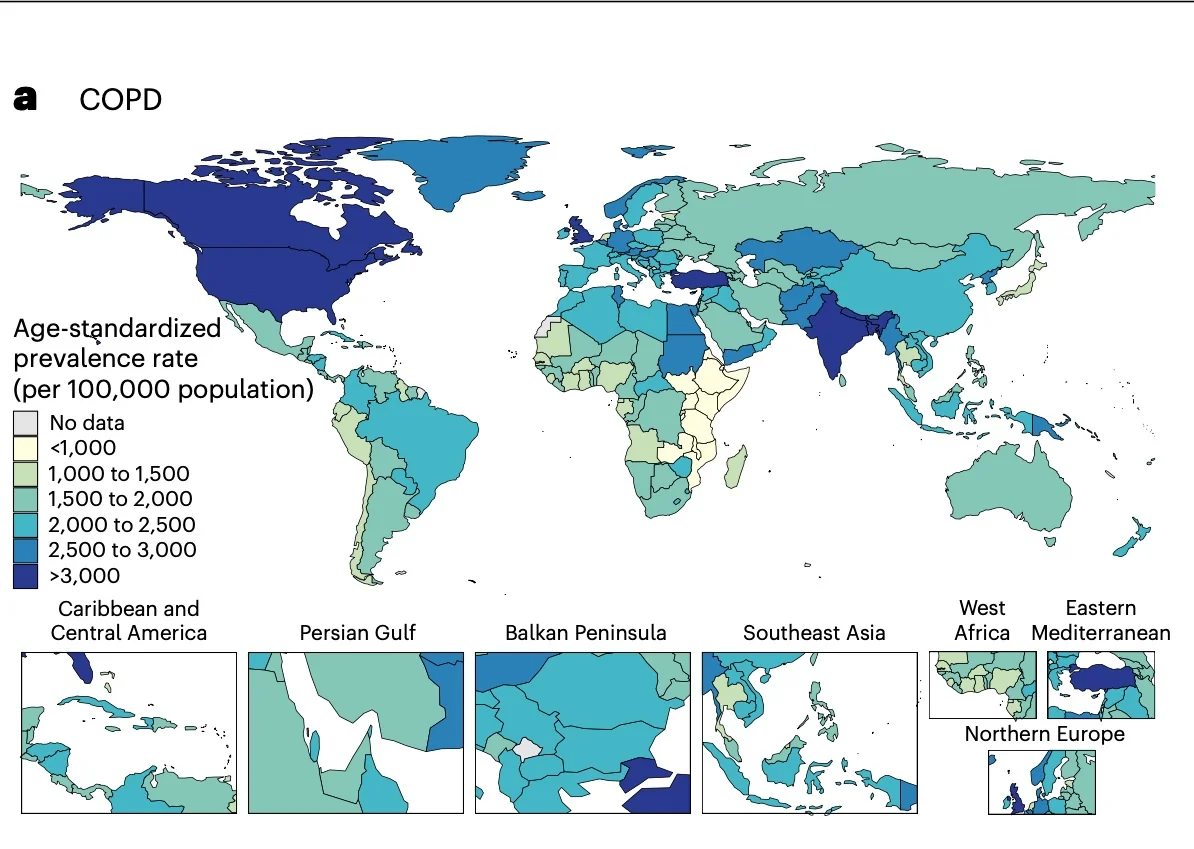
More than 600 million patients live with COPD worldwide, and lung cancer adds another 2.5 million new cases every year. Treatment options remain limited, invasive, or unaffordable for the majority of those who need them.
COPD is projected to cost developed countries over $2 trillion by 2030, with per-patient costs reaching $4,800 a year. Hospitalization alone often exceeds $3,500 per admission, yet innovation in interventional pulmonology has stagnated for decades.
Hospitals face a widening gap — rising demand, aging populations, and no scalable answer for the majority of airway disease presentations.
A minimally invasive platform designed to treat airway disease with precision, safety, and scalability — engineered for any hospital, any geography.
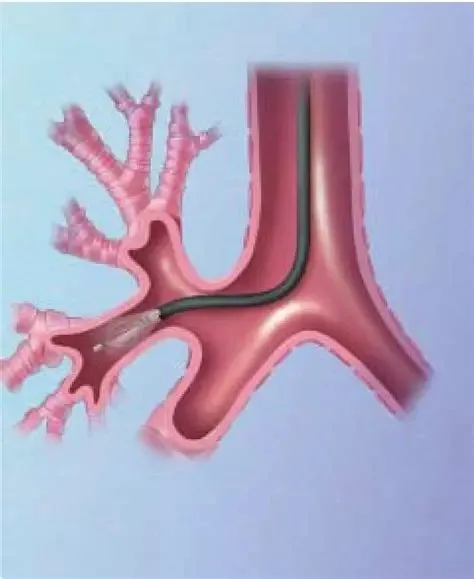
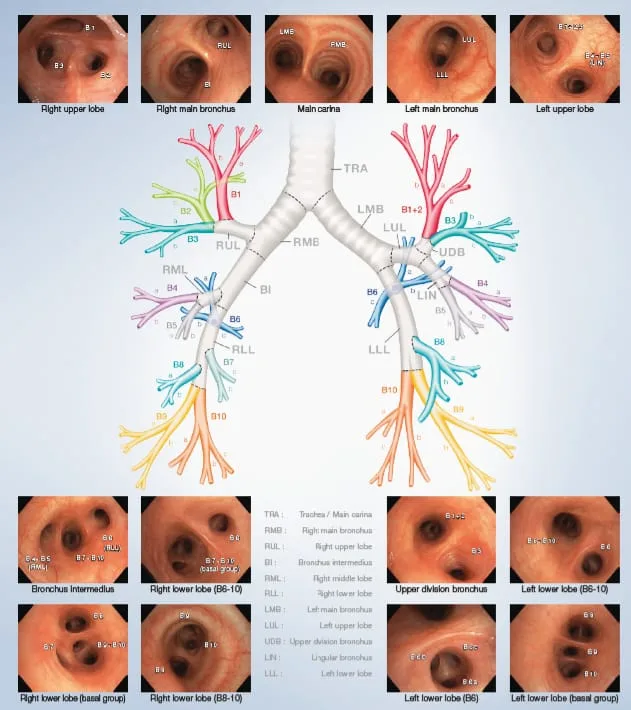
Airway anatomy. The Resector Balloon is designed to navigate the bronchial tree with precision.
15,000+ interventions performed to date with no reported side effects.
Short procedure times, faster recovery, outpatient-feasible.
A scalable, capital-light model built for high-volume markets and emerging healthcare systems alike.
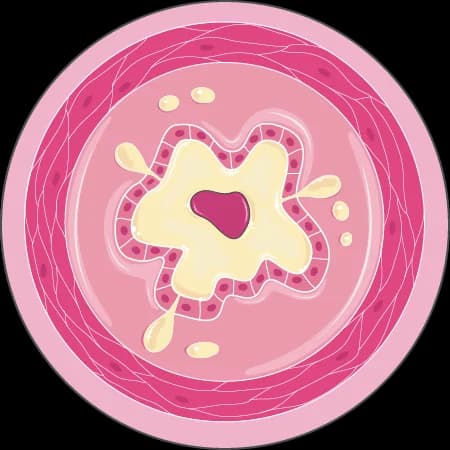
The bronchial tree is narrowed by pathological tissue, mucus retention, or chronic inflammation — restricting airflow and oxygen exchange.
Under flexible bronchoscopy, the Resector Balloon is advanced into the target airway. Controlled mechanical action removes obstructive tissue without open surgery.
The airway is reopened. Patients typically experience immediate functional improvement in breathing capacity and oxygen saturation.
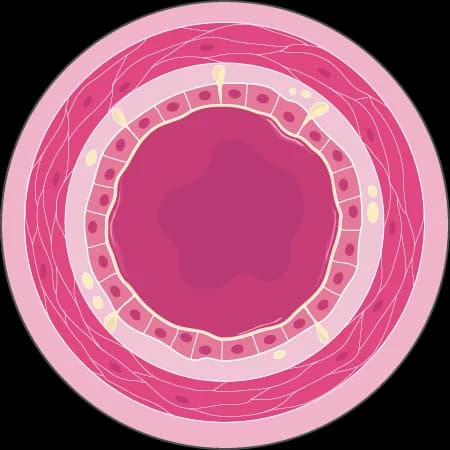
A new generation of active, reusable valve therapy for emphysema
Karakoca Endobronchial Valves represent a next-generation innovation in bronchoscopic lung volume reduction (BLVR), specifically designed for patients suffering from advanced emphysema. Unlike conventional one-time-use valves, Karakoca valves are active, cleanable, and repositionable, offering a fundamentally different approach to long-term disease management.
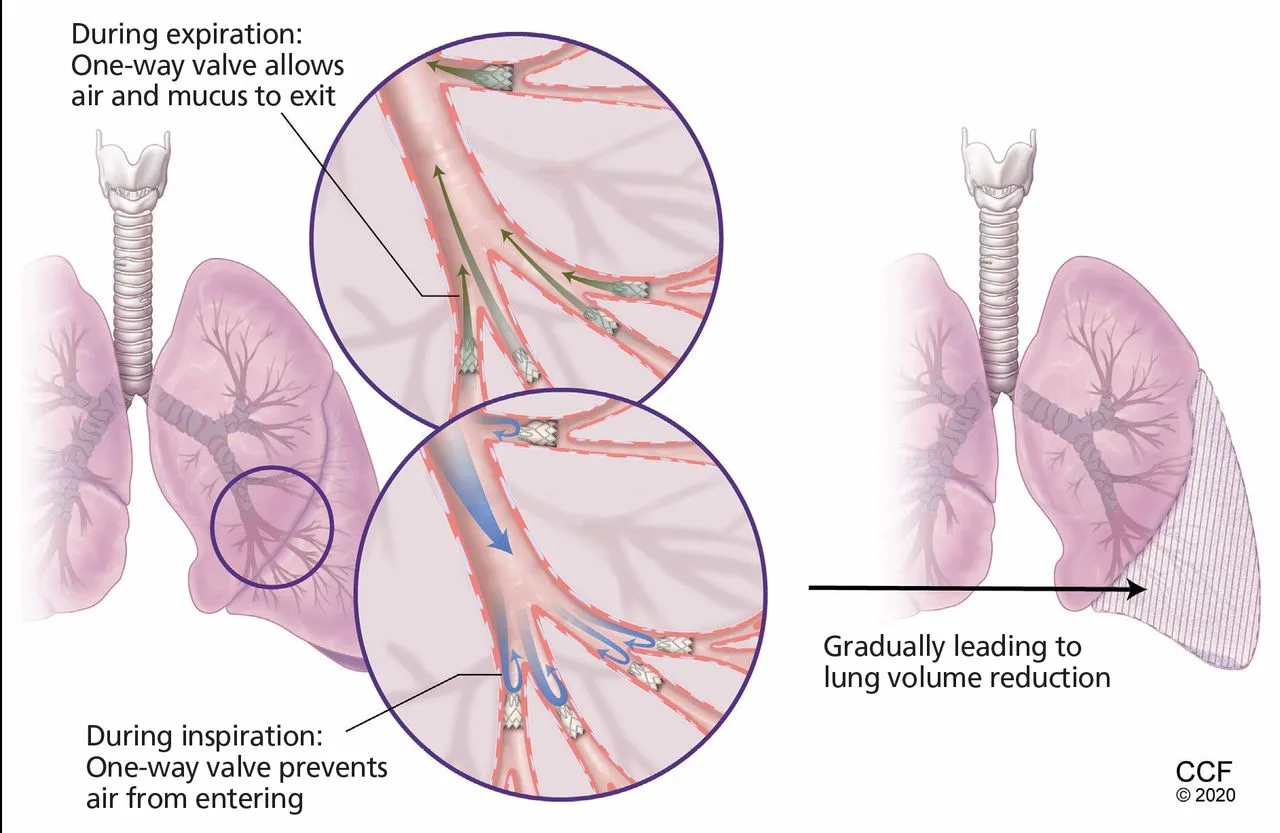
Karakoca valves are designed to be retrieved, cleaned, and re-implanted, maintaining functionality over time. This contrasts sharply with traditional 'passive' valves that are single-use and disposable.
By enabling reuse and repositioning, Karakoca valves significantly reduce overall treatment costs, making advanced emphysema therapy more accessible for healthcare systems and patients.
These valves actively regulate airflow, allowing targeted lung deflation (atelectasis) while preserving healthy lung regions — improving breathing mechanics and patient quality of life.
Proper patient selection is essential and typically includes:
A bronchoscope is introduced into the airways.
The target bronchus is identified.
One or more valves are placed to block airflow into the diseased lung segment.
Trapped air exits, leading to gradual lung deflation.
Healthier lung areas expand and function more efficiently.
Traditional endobronchial valves are passive, single-use implants, leading to higher cumulative costs and limited flexibility. Karakoca Endobronchial Valves introduce a sustainable, adaptive, and economically efficient model, aligning with the future of interventional pulmonology.
The global market for interventional pulmonology exceeds hundreds of billions, driven by aging populations, rising smoking-attributable disease in emerging markets, and an enormous unmet need for outpatient-feasible airway interventions.
Annual direct costs and total economic burden of COPD across selected OECD countries.
| Country | Cost per patient (USD) | National burden | Primary cost driver |
|---|---|---|---|
| USA | ~$9,981 – $10,367 | ~$49 B | Hospitalizations & ER visits |
| Germany | ~$8,644 | ~€15 – 20 B | Long-term care & rehabilitation |
| France | ~$5,200 – $6,000 | ~€10 – 12 B | Medication & specialist visits |
| UK | ~$2,100 – $4,500 | ~£1.9 B (direct) | Emergency admissions |
| Türkiye | ~$1,031 – $1,500 | ~$2.5 – 3 B | Hospitalization & exacerbations |
BronchoTech operates from Istanbul, one of the world's most strategically important medtech corridors — connecting European, Middle Eastern, and North African healthcare systems.
A gateway into European and Middle Eastern healthcare systems. Drives medical tourism access, regulatory pathways into developed markets, and regional partnerships.
BronchoTech is more than a technology — it's a global mission to equip the next generation of interventional pulmonologists with the skills to scale precision airway therapy. Train-the-Trainer programs, certified workshops, and regional centers of excellence are building the worldwide network that will deliver this standard of care.
International workshops and live procedural demonstrations across Europe, Asia, and North America — taught by physicians who pioneered the technique.
A structured curriculum delivered through the Interventional Pulmonology Association — building proficiency from first procedures through advanced complex cases.
Clinical hubs that double as training infrastructure — embedding skills, protocols, and follow-up data wherever care is delivered.
The Resector Balloon is grounded in over a decade of published clinical work. Six peer-reviewed studies, from first-in-human reports through a 188-case follow-up series, anchor the evidence base.
Peer-reviewed evidence on the global, regional, and economic burden of chronic respiratory disease.
Reported mean annual cost per patient (€) by country and cost factor
Annual healthcare cost per person (SGD) and 1-year mortality, 2012–2019
Distribution of DALYs by region, country, and disease type
Geography
Disease type
Country
Clinical footage translated from the original Turkish — an inside look at how the Resector Balloon is deployed in real interventional practice.
A scrollable library of short animations and clinical explainers — tap any clip to watch how the Resector Balloon works inside the airway.
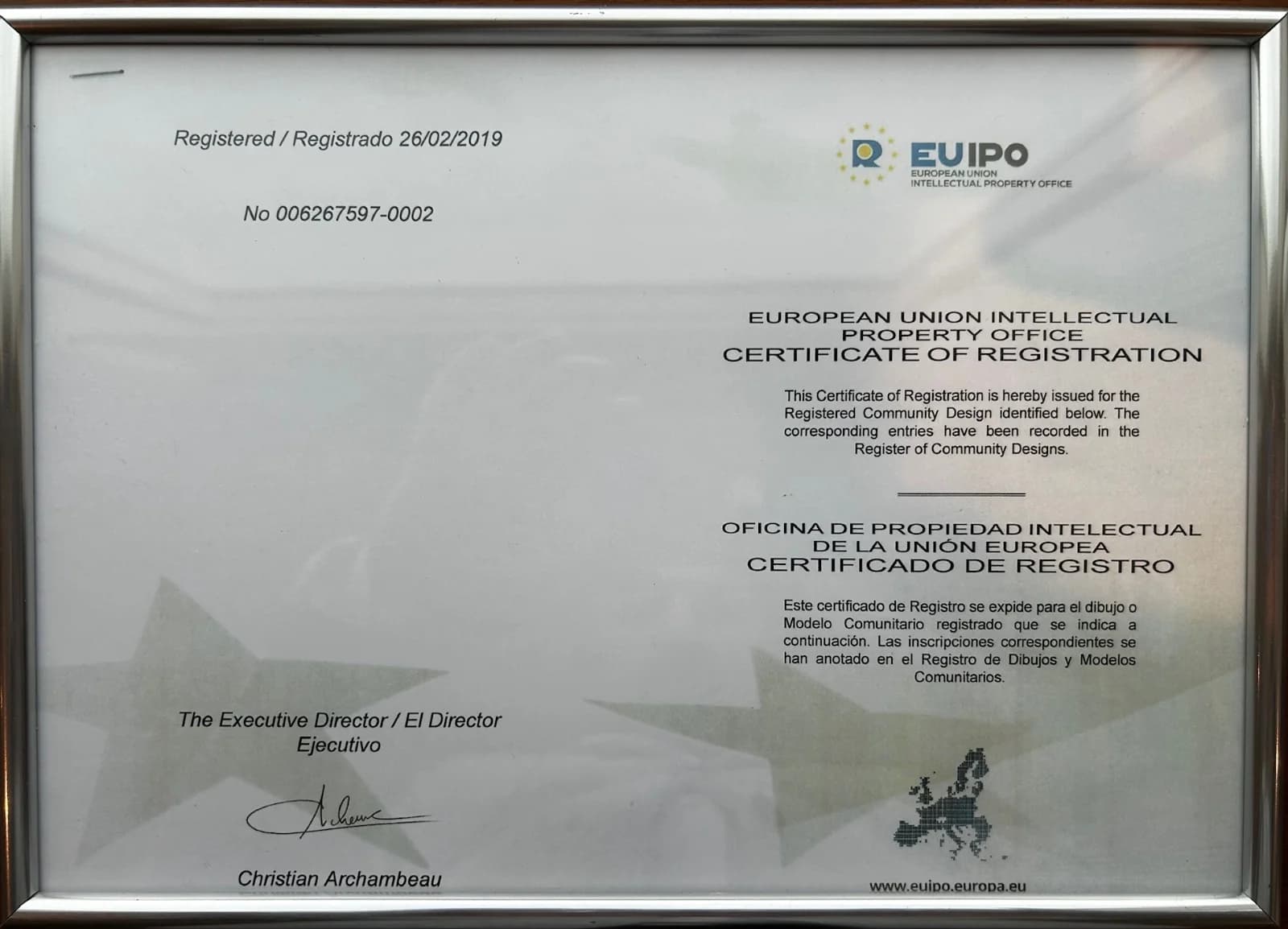
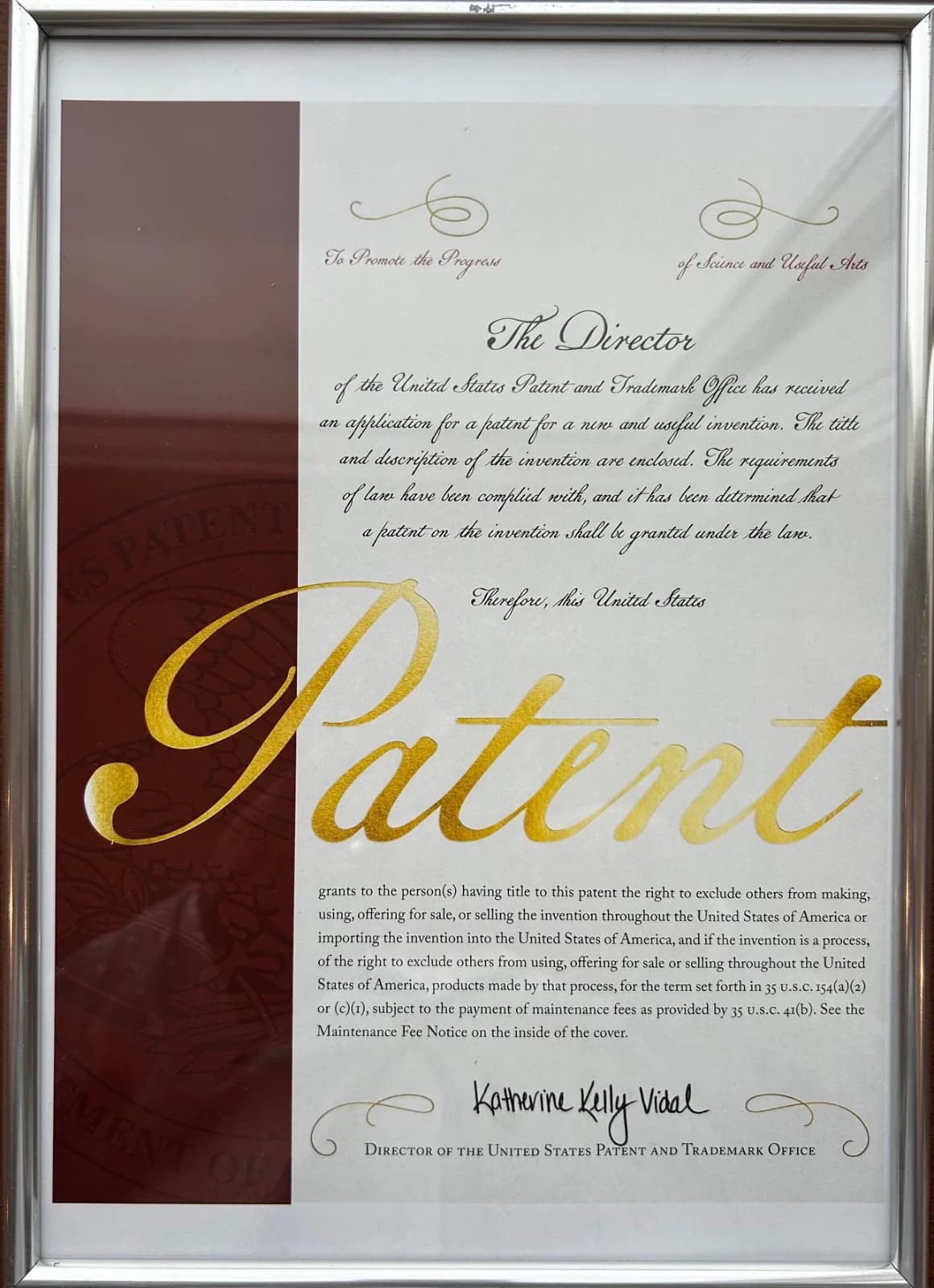
The Resector Balloon is registered with both the European Union Intellectual Property Office and the United States Patent and Trademark Office — securing the platform's commercial moat across the world's two largest medtech markets.
BronchoTech is led by a small group of operators, clinicians, and policymakers who have spent their careers at the intersection of pulmonary medicine, global health systems, and capital.

Global Health Policy · Health Systems Transformation
A globally recognized authority in public health, health policy, and health systems transformation, with over three decades of leadership across the World Bank, WHO, and the University of Washington's Institute for Health Metrics and Evaluation.
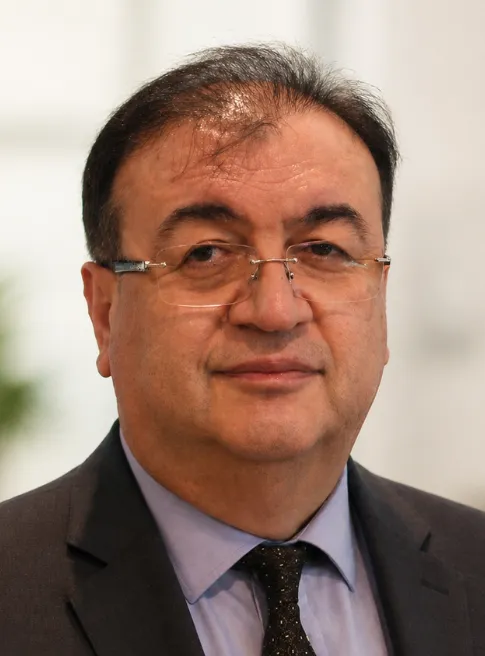
Chief Medical Innovator · Pioneer in Interventional Pulmonology
A leading authority in interventional pulmonology and globally recognized innovator in advanced bronchoscopic therapies. Founder of Turkey's first Interventional Bronchoscopy Center and inventor of the Resector Balloon technology — recognized at the World Bronchology Congress in Tokyo.

Healthcare Strategist · Global MedTech Builder
Visionary executive at the intersection of medical innovation and global capital. As CEO of BronchoTech, he leads the international platform transforming the treatment of pulmonary disease through disruptive interventional technologies.
Three phases. Ten years. One objective — establish BronchoTech as the global standard in interventional pulmonology, with its anchor hub in Istanbul and full commercial scale across developed markets.
Clinical validation and early revenue
Platform-level recognition
Market leadership
Capital partners aligned with a 10-year platform thesis and global scale ambitions.
Hospitals and academic centers integrating the platform into care pathways and training.
Regional distributors and health systems delivering the platform across emerging markets.
PDF · download the full investor deck, or request more via investors@bronchotech.com
Whether you are an investor, a clinical partner, a distributor, or a health system considering integration, we'd like to talk.
PRIMARY HUB · EUROPE & MENA
Istanbul
The Resector Balloon is an innovative bronchoscopic technology developed to address complex airway obstruction and chronic respiratory conditions, particularly COPD, chronic bronchitis, and severe asthma.
Designed as a minimally invasive therapeutic solution, the Resector Balloon enables physicians to mechanically restore airway patency by removing pathological tissue and improving airflow within the bronchial system. The procedure is performed through interventional bronchoscopy, avoiding the need for open surgery while offering immediate and measurable clinical benefits.


